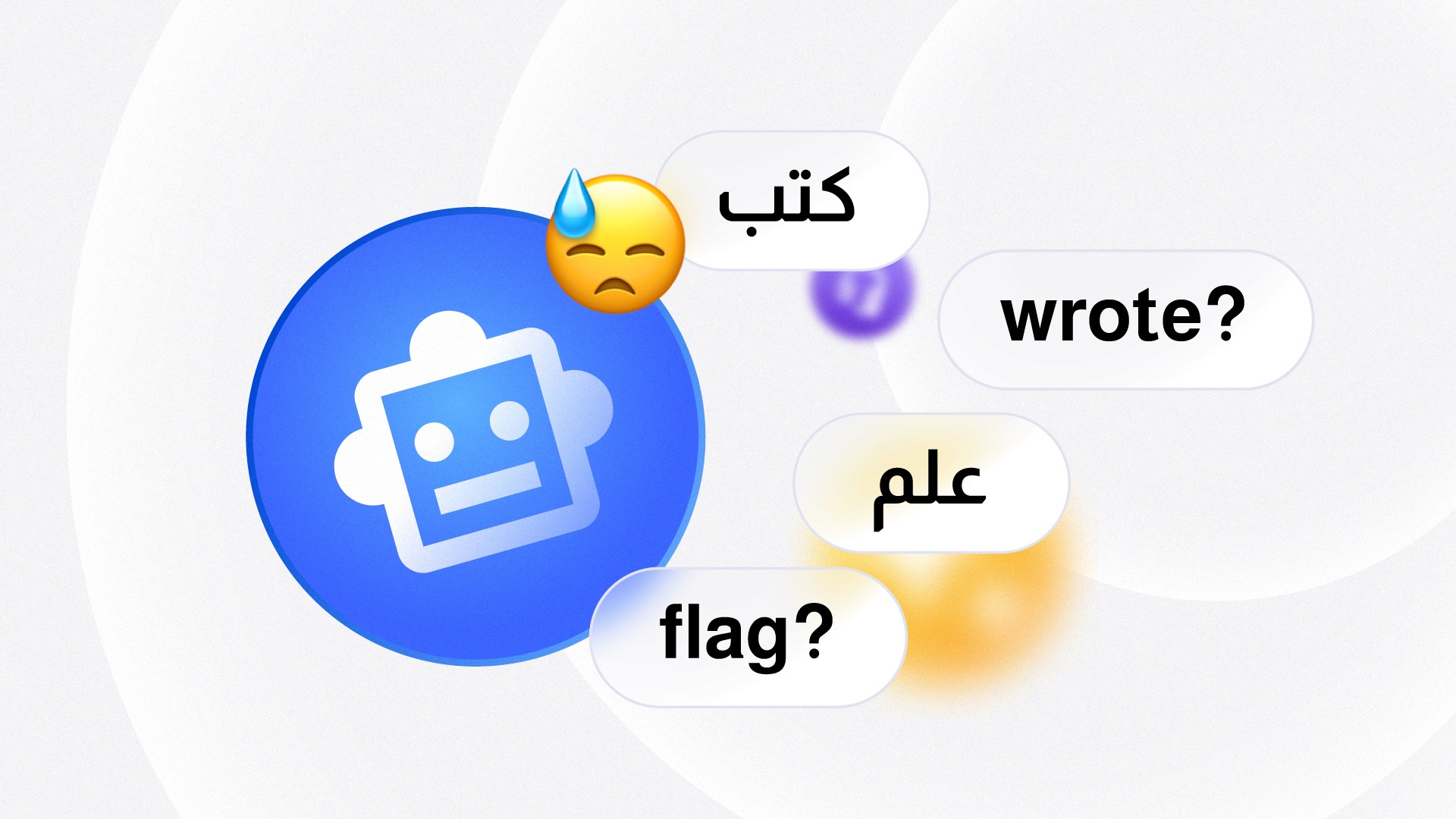
AI contact centers sound great: quick replies, cheaper operations, and happier customers. But when you throw Arabic into the mix, things often don't go as smoothly as planned.
Arabic throws up some tricky language problems that old-school AI models just weren't built to deal with. If your business serves Arabic-speaking customers, you really need to get a handle on these challenges.
Why Arabic is one of the hardest languages for AI
The Arabic language, while beautiful, is one of the most complex languages in the world, and has structural characteristics that complicate natural language processing (NLP):
Complex morphology (many word forms from a single root)
Optional diacritics that change meaning
Flexible sentence structures
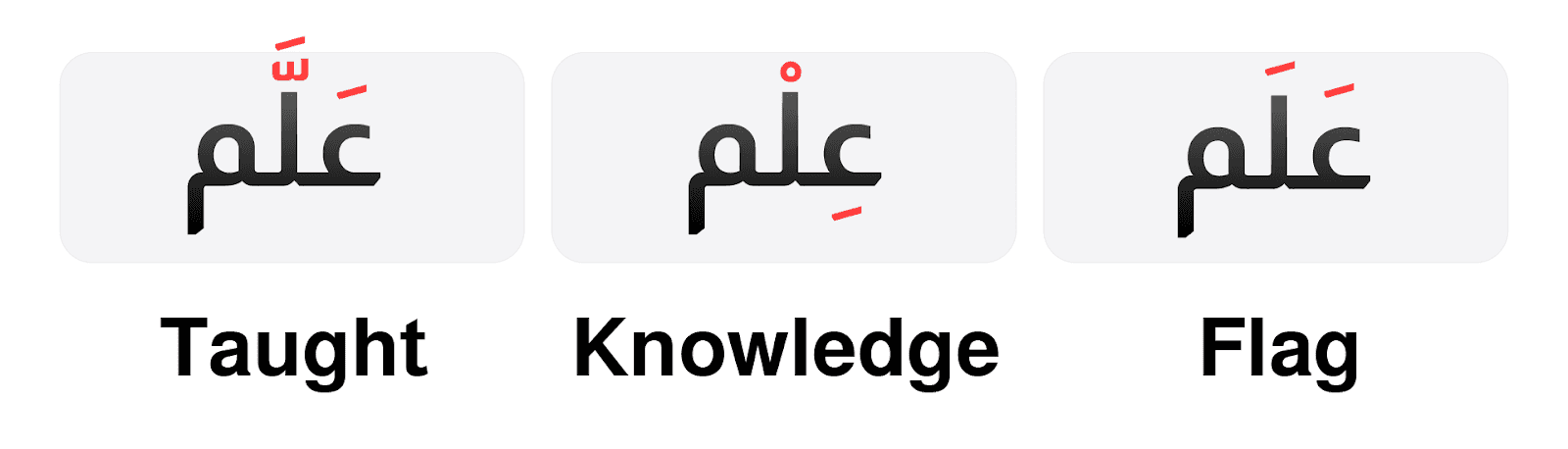
For AI systems trained primarily in the West on English (or European languages), this leads to.
When AI is trained mostly in the West using English (or other European languages), it struggles with accuracy in intent recognition and entity extraction; in layman’s terms, it simply doesn’t understand what people mean and often cannot pick up on important details, even with context clues.
Dialects vs Modern Standard Arabic (MSA)
Let’s get real for a minute: your customers do not speak Modern Standard Arabic in their day to day activities, as they are far more likely to use varying regional dialects.
AI systems that only support MSA struggle to understand everyday customer messages, even when the vocabulary appears similar.
Arabic–English code-switching is the norm
In real customer conversations, Arabic speakers often mix languages:
"لو سمحت أنا الـorder بتاعي ما وصلش من last week وأنا بستناه من Monday أو قبل كدا. هو اتـcancel ولا إيه النظام؟" |
This code-switching breaks traditional bot logic, which assumes a single language per interaction and it can interfere with the effectiveness of how standard AI agents work. Without semantic understanding across languages, AI totally loses the thread and gets the customer's intent wrong.
Why traditional AI fails in Arabic
Many AI solutions still rely on:
Keyword matching
Rigid decision trees
Predefined flows
These approaches fail in Arabic because:
The same intent can be expressed dozens of ways
Dialects introduce unpredictable phrasing
The result is brittle automation that frustrates customers instead of helping them.
Voice AI faces even greater challenges in Arabic
Voice-based support adds another layer of complexity.
Arabic voice AI must handle:
Strong accent variation
Dialect-specific pronunciation
Background noise
Informal speech patterns
Speech-to-text accuracy drops significantly without regionally trained voice models, making voice bots unreliable in many deployments.
What AI-powered contact centers must do differently for Arabic
To support Arabic effectively, AI-powered contact centers need:
Semantic intent-based models instead of keywords
Dialect-aware training data
Continuous learning from real conversations
Intelligent escalation to human agents when confidence is low
These capabilities allow AI to adapt to how Arabic is actually spoken, not how it’s written in textbooks.
What to look for in Arabic-ready AI contact centers
When evaluating AI contact center solutions for Arabic support, this is what your business should check for:
Dialect coverage (beyond MSA)
Support for Arabic–English mixed conversations
Right-to-Left UI support, i.e. RTL-friendly interfaces
Voice and WhatsApp automation
Transparent performance analytics
Without these, AI automation will remain limited and unreliable.
Leverage your operational excellence with Maqsam’s AI Agent
Built specifically for the realities of Arabic conversations, Maqsam goes beyond keyword bots and rigid flows. Our AI:
Understands dialects like a local
Handles Arabic–English code-switching
Seamlessly escalates to a real human pro when needed
If operational excellence matters to your business (as it should), it’s time to power your contact center with AI that truly speaks your customers’ language.
Sign up today and experience Arabic-ready AI done right.